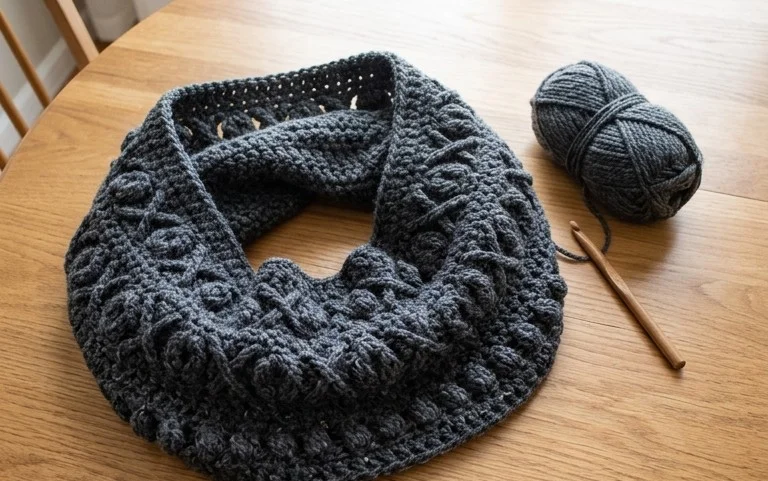
12 Easy Farmhouse Crochet Jackets and Vest Patterns
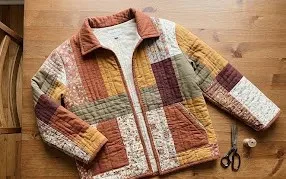
Soft quilt-inspired squares, textured stitches, and earthy colors give farmhouse crochet jackets and vests a warm, lived-in look. These layers suit anyone who likes rustic style, from newer crocheters practicing basic stitches to experienced makers planning a thoughtful handmade gift. You can wear a vest over a cotton shirt on a cool morning, or reach for a longer jacket when the evenings turn chilly. The twelve ideas in this collection range from simple, relaxed shapes to more detailed patchwork looks, so you can choose a project that fits your time and skill level. Along the way, you’ll find inspiration for joining motifs, building quilt-like blocks, choosing yarn, and making the finished fit feel comfortable and personal.
Why You’ll Love This Pattern
This cotton crochet dishcloth uses simple single crochet stitches to make a firm, absorbent square for everyday kitchen use. The straight rows are easy to track, so the pattern is a practical first project for learning to keep an even edge. It takes little yarn, making it a useful way to use a small leftover ball of cotton. Make one for your own sink or pair a few with a bar of soap for a handmade gift.
I made this as my first dishcloth, and the clear row count helped me keep both sides straight. The cotton feels sturdy after washing.
— Lena, beginner crocheter
Pattern Overview & Skill Level
- Skill Level: Beginner. You need to chain and work single crochet stitches.
- Approximate Time: 2–3 hours, depending on your pace and tension.
- Construction: A flat square worked back and forth in rows, then finished by weaving in the two yarn ends. No seaming is needed.
- Finished Dimensions & Sizing: About 6 × 6 in (15 × 15 cm) after washing and drying flat. Small differences are normal; gauge and fiber can change the finished size.
Materials & Supplies Needed
- Yarn: About 70 yd (64 m) of worsted-weight cotton yarn, category #4. Use one color, or change colors at row ends if you have enough yarn for the full cloth.
- Hook Size: 5.0 mm / H-8 crochet hook.
- Notions: Tapestry needle for weaving in ends, scissors, and a ruler or tape measure for checking gauge.
- Substitutions: Choose another 100% cotton yarn with a similar worsted thickness. A thinner yarn makes a smaller, lighter cloth; a thicker yarn makes a larger, denser cloth and may need a larger hook. Avoid acrylic for a dishcloth because it is less absorbent than cotton.
Washable cotton is a useful choice for a cloth that will be used around water and washed often. Check the yarn label before substituting, since cotton blends can have different washing and drying requirements.
Stitch Guide & Abbreviations (US Terms)
- ch = chain.
- sc = single crochet. Insert the hook into the stitch, yarn over, pull up a loop, yarn over, and pull through both loops.
- st = stitch.
- sl st = slip stitch. Insert the hook into the stitch, yarn over, and pull through the stitch and the loop on the hook.
- FO = fasten off by cutting the yarn and pulling the tail through the final loop.
The turning chain does not count as a stitch in this pattern. Work the first single crochet of each row into the first stitch, not into the turning chain. This keeps the stitch count at 25 and helps the sides stay straight.
Step-by-Step Pattern Instructions
Dishcloth
Use a relaxed, even tension. If your chain is much tighter than your single crochet rows, make the starting chain with a hook one size larger, then switch to the 5.0 mm hook for the cloth.
- Foundation: Ch 26. (26 ch)
- Row 1: Sc in the second ch from the hook and in each ch across. Turn. (25 sts)
- Row 2: Ch 1, sc in each st across. Turn. (25 sts)
- Rows 3–24: Repeat Row 2 for each row. Each row has 25 sc. (25 sts per row)
- Row 25: Ch 1, sc in each st across. FO, leaving a yarn tail long enough to weave in. (25 sts)
To check the size, lay the work flat without stretching it. It should measure close to 6 in (15 cm) on each side. If it is much wider or narrower, check your gauge before making another cloth. A smaller hook or tighter tension makes a denser fabric; a larger hook or looser tension makes a more open fabric.
Finishing
Thread the starting tail onto a tapestry needle and weave it through several stitches on the wrong side. Repeat with the finishing tail, changing direction once so it is less likely to work loose. Trim the ends close to the fabric without cutting into the stitches. Wash and dry the cloth according to the yarn label, then smooth the edges by hand.
Care & Washing Instructions
- For 100% cotton, machine wash with similar colors in warm water, up to about 40°C (104°F), unless the yarn label gives different instructions.
- Lay flat to dry, or tumble dry on low if the yarn label allows it; high heat can shrink cotton.
- While damp, reshape the square by smoothing the sides and corners flat; formal blocking is usually unnecessary for a dishcloth.
Pro Tips & Common Mistakes to Avoid
- Keep your tension steady. Tight single crochet can make the cloth stiff, while loose stitches can leave gaps that reduce its scrubbing feel.
- Count the stitches at the end of every row, especially the first few. Missing the last stitch shortens the cloth and gives it slanted sides.
- Weave in the ends on the wrong side, passing the needle through several stitch backs and changing direction before trimming.
- To make the cloth larger, add chains to the foundation and work more rows to match its width. Each added stitch and row uses more yarn, so allow extra yardage and check that the sides remain square.
Frequently Asked Questions
Can I use a different yarn fiber?
You can, but cotton is the most practical choice for an absorbent dishcloth. A cotton-linen blend may feel slightly firmer, while acrylic is less absorbent. Check the yarn label for washing instructions and expect a different drape or finished size.
How do I make the dishcloth smaller or larger?
For a narrower cloth, chain fewer stitches; for a wider cloth, chain more. Work the same number of rows as the number of stitches in the foundation for a square. Changing the hook size also changes the fabric density and dimensions.
Is this pattern suitable for a first crochet project?
Yes. It uses only chains and single crochet stitches, with no shaping or joining. The main challenge is counting 25 stitches consistently and placing the last stitch of each row correctly.
Can I sell dishcloths made from this pattern?
You can sell your finished items if the pattern designer’s terms permit it. Check those terms before selling, and write your own product description rather than presenting the pattern text as your own.
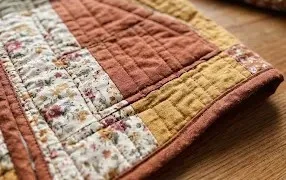
A finished quilt-style jacket or vest brings a little handmade warmth to everyday outfits, with its textured blocks and relaxed farmhouse feel. For a simple variation, work the same design in natural cream and muted sage, or choose a different size of motif to change the overall look. Take a photo of your finished layer in good window light and share it on Pinterest or your favorite social media account. If you are still choosing your next project, explore more free crochet patterns on the blog for seasonal layers, useful home makes, and gifts you can finish at your own pace.