Festive Crochet Gift Baskets for Thoughtful Holiday Giving
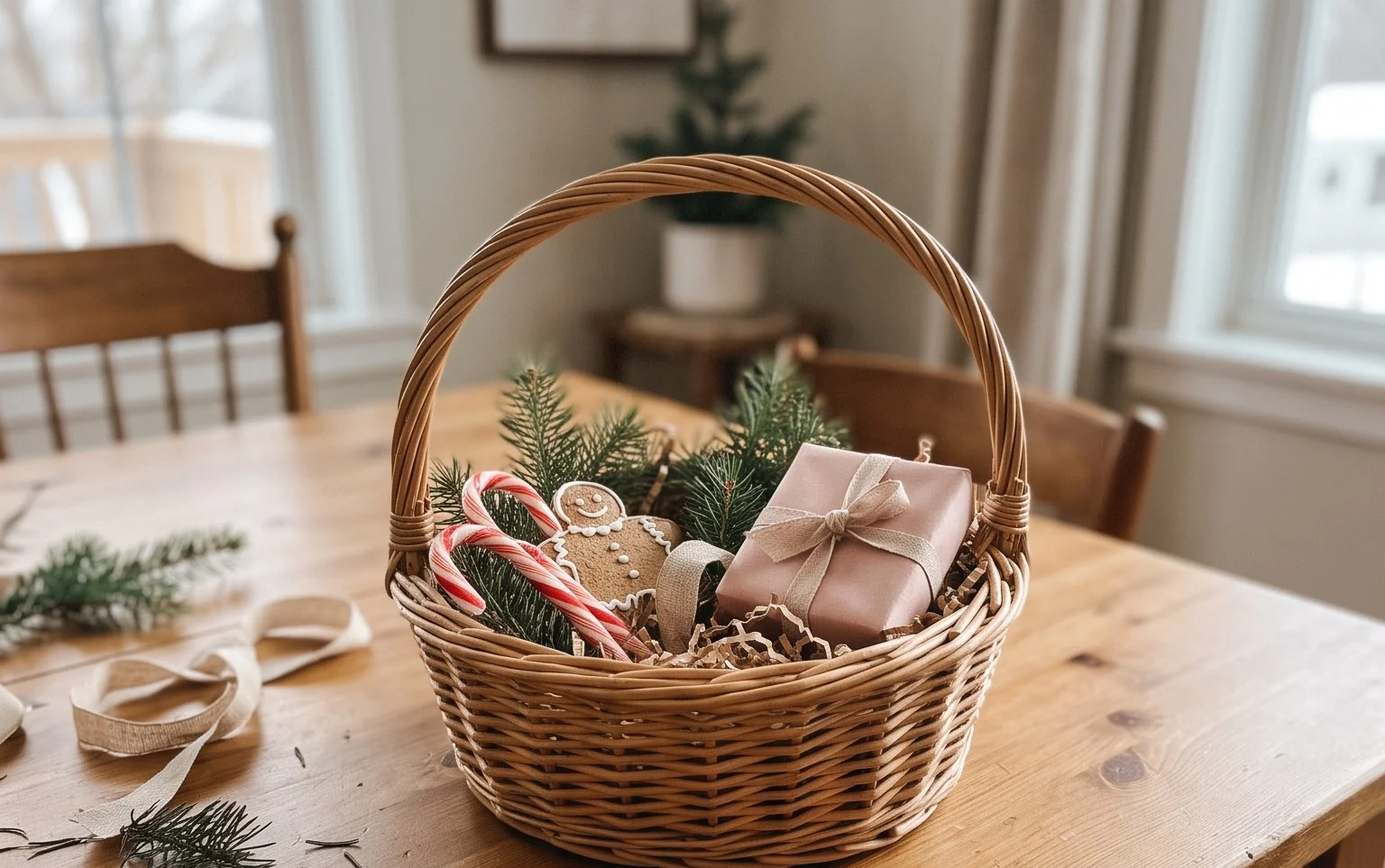
A firm cotton crochet basket can hold tea, chocolates, handmade soap, or the small treats that make a Christmas gift feel personal. Its textured stitches give the sides enough structure to stand on a table, while a soft yarn choice keeps the finished basket pleasant to handle. This project suits beginners who are comfortable with basic crochet, as well as experienced makers putting together several gifts before the holidays. You can adjust the size to fit what you plan to tuck inside, then finish the basket with a simple handle, ribbon, or paper tag. The pattern uses straightforward stitches and clear shaping, so you can focus on even tension as the basket grows. Along the way, you’ll learn how stitch choice and a sturdy base help a handmade basket hold its shape. The result is useful gift packaging that can be reused long after Christmas morning.
Why You’ll Love This Pattern
A square of sturdy cotton makes a useful dishcloth for everyday kitchen jobs, and this pattern keeps the shaping simple: work one rectangle in single crochet, turning at the end of each row. The fabric is dense enough for wiping counters while still being flexible when wet.
The straight rows make this a practical first project for learning to keep the edges even. It also uses a modest amount of yarn, so a leftover ball of worsted-weight cotton may be enough. Make several in coordinating colors for a useful housewarming gift, or keep one near the sink for washing dishes.
The rows were easy to follow, and I liked having a small project I could finish over a couple of evenings. My cotton cloth came out square after I checked the edges as I went.
— Maya, home crocheter
Pattern Overview & Skill Level
- Skill Level: Beginner. You need to chain, single crochet, and turn your work.
- Approximate Time: 2–3 hours, depending on your pace and how often you pause to check the row edges.
- Construction: Work a flat rectangle in rows of single crochet, then fasten off and weave in the ends. No seaming is required.
- Finished Dimensions & Sizing: About 8 × 8 in (20 × 20 cm) when worked to gauge. Small differences in tension may change the finished size slightly.
Materials & Supplies Needed
- Yarn: About 100 yd (91 m) of worsted-weight cotton yarn, approximately 50 g. Choose one color, or use a new color for each cloth if you have enough yarn for the full piece.
- Hook: 5.0 mm / H-8 crochet hook.
- Notions: Tapestry needle for weaving in ends, scissors, and a ruler or tape measure. A stitch marker is optional for marking the first stitch of a row.
- Substitutions: Use another 100% cotton yarn of similar thickness for a comparable absorbent cloth. Cotton blends may feel softer or dry differently. Avoid fuzzy yarn, which can make the stitches harder to see and is less practical for scrubbing. Thinner or thicker yarn changes the cloth’s size and texture, so check the dimensions as you work.
Stitch Guide & Abbreviations (US Terms)
- ch = chain.
- sc = single crochet: insert the hook in the stitch, yarn over and pull up a loop, yarn over and pull through both loops.
- st = stitch.
- sts = stitches.
- rep = repeat.
- tch = turning chain. In this pattern, ch 1 at the beginning of a row does not count as a stitch.
- FO = fasten off by cutting the yarn and pulling the tail through the final loop.
Keep the turning chain loose enough to turn easily, but do not work into it. The first single crochet of each row goes into the first stitch of the previous row.
Step-by-Step Pattern Instructions
Use the same yarn and hook for the gauge check and the dishcloth. Gauge is 15 sc and 16 rows per 4 in (10 cm), measured without stretching. If your swatch is larger, try a smaller hook; if it is smaller, try a larger hook. The stitch counts below remain the same.
Dishcloth
- Foundation: Ch 31. The 30 stitches worked in the next row form the cloth’s width.
- Row 1: Sc in the second ch from the hook and in each ch across. Ch 1 and turn. (30 sts)
- Rows 2–30: Sc in each st across. Ch 1 and turn. (30 sts each row)
After Row 30, measure the fabric. It should be close to 8 in (20 cm) wide and 7½–8 in (19–20 cm) long. If it measures differently, that is fine for a dishcloth; use the same tension throughout so the sides stay even.
Finishing
- Fasten off: Cut the yarn, leaving a tail of about 6 in (15 cm). Pull the tail through the final loop to secure it.
- Weave in ends: Thread the tapestry needle and pass each tail through the backs of several stitches. Change direction once, then trim the excess close to the fabric without cutting the stitches.
- Finish the shape: Smooth the cloth flat by hand. If the edges curl, wash and reshape it while damp before using.
Care & Washing Instructions
- Wash cotton cloths in warm water, up to 40°C (104°F), with similar colors; follow the yarn label if it gives a lower temperature.
- Dry flat or tumble dry on low heat, according to the yarn label. High heat may shrink cotton.
- While damp, smooth the cloth back to a square shape; blocking is optional, but helps even out the edges after washing.
Pro Tips & Common Mistakes to Avoid
- Keep your tension steady. If the first rows feel tight, loosen your grip rather than pulling the working yarn hard after each stitch; overly tight fabric can be stiff and difficult to use.
- Count 30 stitches at the end of every row, especially the first few. A stitch marker in the first stitch can help you spot the row edge and avoid accidentally losing a stitch.
- Weave in each end through the backs of several stitches and change direction before trimming. A short tail worked through only one stitch may loosen in the wash.
- To make the cloth larger, begin with more chains and work the same number of rows, or add rows to increase its length. Each extra chain adds about ¼ in (0.6 cm) at the stated gauge; a larger cloth uses more yarn and takes longer to dry.
Frequently Asked Questions
Can I use acrylic yarn instead of cotton?
You can, but the cloth will generally be less absorbent and may feel warmer or stretchier when wet. Cotton is a practical choice for kitchen use. Check the yarn label for washing instructions before substituting.
How can I make the dishcloth wider or narrower?
Change the foundation chain, then work single crochet across every chain except the first chain from the hook. The pattern begins with 31 chains to make 30 stitches. Adding or removing chains changes the width; keep track of the new stitch count on every row.
Is this pattern suitable for a first crochet project?
Yes. It uses only chains and single crochet, with no shaping, special joins, or color changes. Check the first and last stitch of each row so the rectangle stays at 30 stitches throughout.
Can I sell dishcloths made from this pattern?
Check the designer’s terms before selling finished items, and follow any rules provided with the pattern. If you sell your work, describe the yarn and care instructions accurately and do not claim authorship of the pattern unless you wrote it.

A finished crochet basket gives a few small gifts a tidy, handmade place to gather, and its firm texture makes it useful well beyond the holiday season. Try a larger size for a cozy blanket-and-cocoa bundle, or work in two colors to add a simple stripe around the sides. Before gifting, check that the base sits flat and weave in every loose end so the basket is ready to fill. If you make one, share a photo on Pinterest or your favorite social media account and show what you tucked inside. You can also browse more free crochet patterns on the blog for handmade gifts, practical home projects, and seasonal makes to work on next.