26 Easy Crochet Christmas Decor Ideas for Every Room
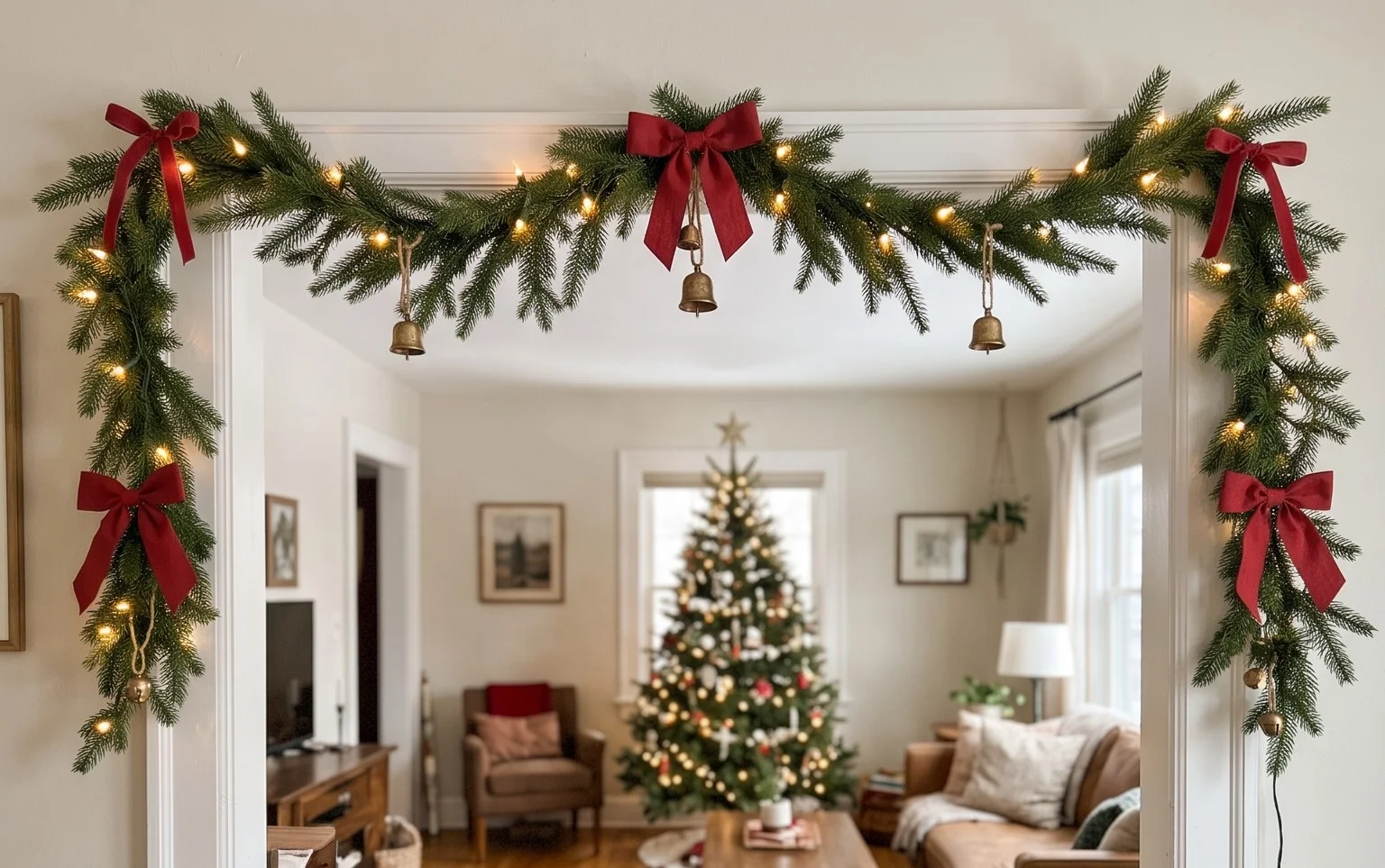
Soft crochet stars, little hanging ornaments, and festive garlands can bring a handmade touch to shelves, windows, and tabletops at Christmas. This collection gathers 26 DIY decor ideas for different rooms, with options for beginners who want a manageable first project and gift makers who enjoy adding a personal touch to the season. Some pieces use simple stitches and small amounts of yarn, while others offer a chance to play with color, texture, and decorative details. You’ll find ideas for dressing up a tree, welcoming guests at the door, or adding a seasonal accent to a bedroom or kitchen. Along the way, you’ll see how basic crochet techniques such as chains, single crochet, and working in the round can shape practical decorations. Choose a project that suits your time and yarn stash, then make it in colors that fit your home.
Why You’ll Love This Pattern
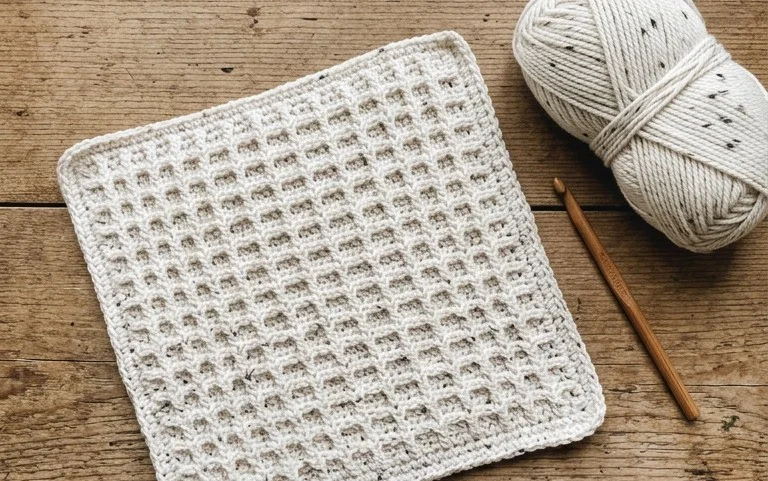
This beginner-friendly cotton dishcloth is worked flat in single crochet, so you can see the stitch structure clearly as the square grows. A simple repeat makes it easy to settle into a steady rhythm, and the small size is practical for trying a new yarn or practicing even tension.
The finished cloth is useful at the sink and makes a thoughtful handmade gift. Choose a washable cotton in a light shade to make spills and missed stitches easier to spot. The pattern uses one yarn color and does not require shaping, sewing, or special finishing tools beyond a tapestry needle.
The rows were easy to keep track of, and the cotton made a sturdy cloth that softened after washing.
— Lena, beginner crocheter
Pattern Overview & Skill Level
- Skill Level: Beginner. You need to know how to chain and single crochet.
- Approximate Time: 2–3 hours, depending on your pace and how often you pause to count.
- Construction: One flat square worked in rows, with a turning chain at the start of each row. The turning chain does not count as a stitch.
- Finished Dimensions & Sizing: Approximately 7.5 × 7.5 in (19 × 19 cm) after washing and drying flat, using the gauge below. Small differences in tension will affect the finished size.
Gauge: 16 single crochet stitches and 18 rows measure 4 in (10 cm) after washing and drying. Gauge matters less for a dishcloth than for a fitted garment, but matching it helps you estimate the finished size and yarn use.
Materials & Supplies Needed
- Yarn: About 90 yd (82 m) of worsted-weight cotton yarn, category #4, in one color. Cotton is absorbent and tolerates frequent washing. A small amount of a second color can be used for the final border if desired, but it is not needed for the main square.
- Hook Size: 5.0 mm / H-8 crochet hook. If your fabric feels stiff, try a 5.5 mm / I-9 hook; if it feels loose and gappy, try a 4.5 mm / G-6 hook.
- Notions: Tapestry needle for weaving in the ends, scissors, and a ruler or tape measure for checking gauge.
- Substitutions: Choose a smooth, machine-washable cotton of similar thickness. Cotton-linen blends can make a firm cloth, while bamboo blends often feel softer and drape more. Acrylic is less absorbent and may not suit a cloth used for wiping dishes. A different yarn thickness changes the fabric and finished size, so make a gauge swatch before beginning.
Stitch Guide & Abbreviations (US Terms)
- ch = chain.
- sc = single crochet: insert hook in the stitch, yarn over and pull up a loop, yarn over and pull through both loops.
- st(s) = stitch(es).
- rep = repeat.
The turning chain at the beginning of each row is for height only and does not count as a stitch. Work the first single crochet into the first stitch, not into the turning chain. This keeps the edges straight and maintains 30 stitches across.
Step-by-Step Pattern Instructions
Dishcloth
- Foundation: Ch 31. Keep the chain relaxed so the lower edge does not pull in. (31 ch)
- Row 1: Sc in the second ch from the hook and in each ch across. Turn. (30 sts)
- Row 2: Ch 1, sc in each st across. Turn. (30 sts)
- Rows 3–34: Rep Row 2. At the end of Row 34, do not turn. (30 sts in each row)
Check the square’s measurements after Row 18, when it should be close to 4 in long at the stated row gauge. Continue through Row 34 for an approximately 7.5 in length. If your gauge is noticeably different, the cloth may finish smaller or larger; the stitch count should still stay at 30 for every row.
Finishing
- After Row 34, cut the yarn, leaving a tail of about 6 in (15 cm). Pull the tail through the last loop to secure it.
- Thread the tail onto a tapestry needle. Weave it through the backs of several stitches, change direction once, then trim the excess. Weave in the foundation tail the same way.
- Wash and dry the cloth according to the yarn label. Lay it flat and gently square the corners while damp. No separate border is needed.
Care & Washing Instructions
- For cotton yarn, machine wash with like colors in warm water, around 40°C (104°F), unless the yarn label gives different instructions.
- Dry flat for the most even shape, or tumble dry on low if the yarn label allows it.
- While damp, reshape the edges and corners by hand; cotton usually does not need formal blocking.
Pro Tips & Common Mistakes to Avoid
- Keep your starting chain looser than your usual single crochet tension. A tight chain can make the bottom edge shorter than the rest of the cloth; use a larger hook just for the chain if needed.
- Count the stitches at the end of each row, especially during the first few rows. If you have 29 or 31 instead of 30, check whether you skipped the first stitch or accidentally crocheted into the turning chain.
- Weave in each end with a tapestry needle through the back of the fabric, then change direction before trimming. This helps the ends stay secure through repeated washing.
- To make a wider cloth, start with more chains, then subtract one to get the number of single crochet stitches. Add rows to make it longer. A larger cloth uses more yarn and takes longer; check the width and length as you work so the piece stays square.
Frequently Asked Questions
Can I use acrylic yarn instead of cotton?
You can, but acrylic is less absorbent and may feel different when used for washing dishes. If you substitute it, choose a washable worsted-weight yarn and make a small swatch to check the fabric before starting.
How can I make the dishcloth smaller or larger?
For a smaller cloth, begin with fewer chains and work fewer rows. For a larger cloth, add chains for width and rows for length. Keep one single crochet in every stitch and check that the row and stitch counts match your intended dimensions.
Is this pattern suitable for a first crochet project?
Yes. It uses only chains and single crochet, with no increases, decreases, or joining. Work in good light and count each row until you can recognize the top loops of the stitches easily.
May I sell dishcloths made from this pattern?
Check the designer’s terms before selling finished items, and follow any limits or credit requirements they state. If you sell your work, describe the yarn honestly and include its care instructions for the buyer.
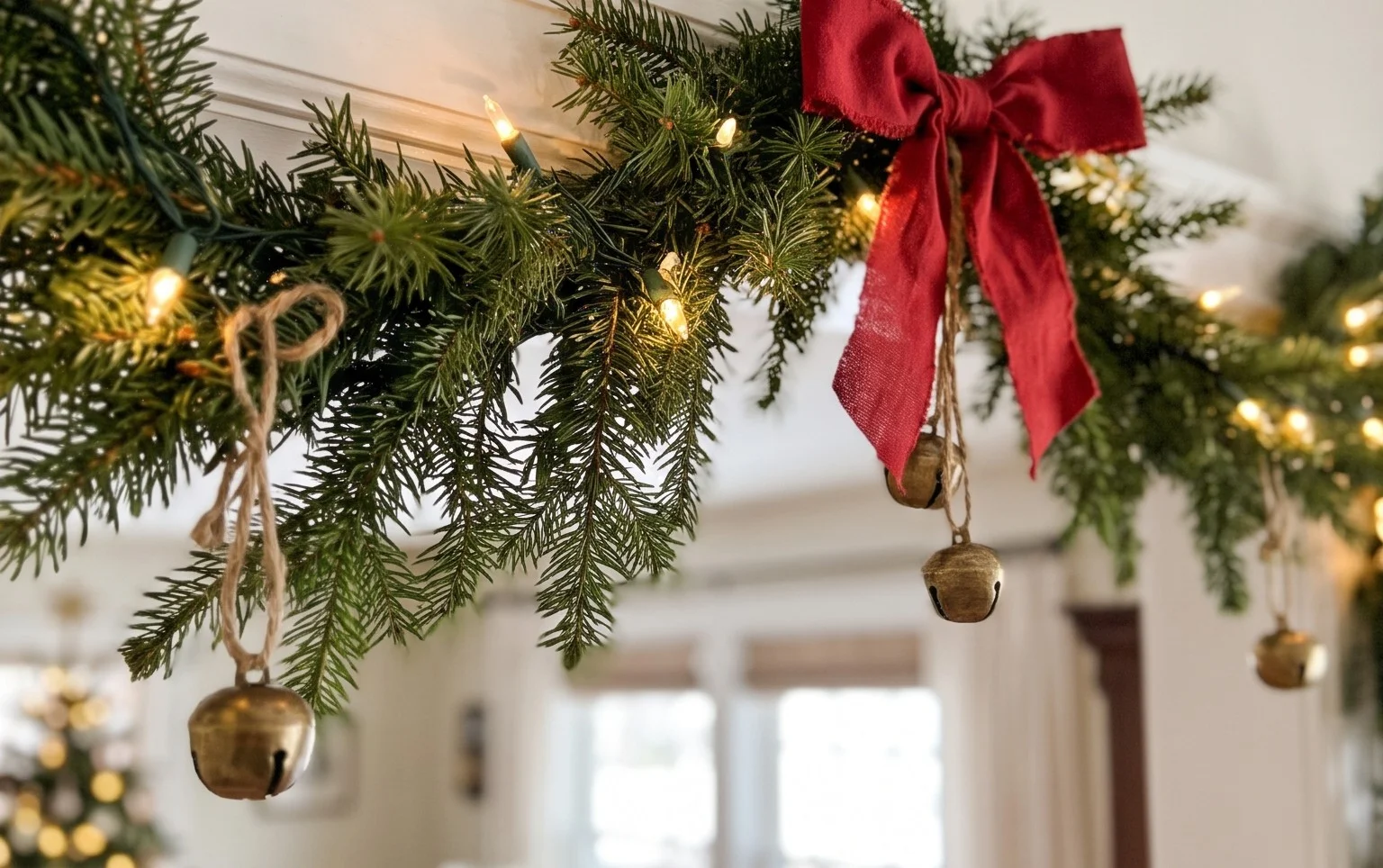
A handmade crochet decoration can make a familiar room feel ready for the holidays, whether you hang it on the tree or add it to a mantel or windowsill. Choose one idea that fits the time you have, and keep a few notes about yarn and hook size if you plan to make matching pieces later. For a simple variation, swap the suggested colors for a quieter palette of cream, green, and warm brown. When your decoration is finished, share a photo on Pinterest or your favorite social platform so other makers can see how you styled it. Then browse the blog for more free crochet patterns to work on through the season.