Free Christmas Log Cabin Quilt Crochet Pattern Tutorial
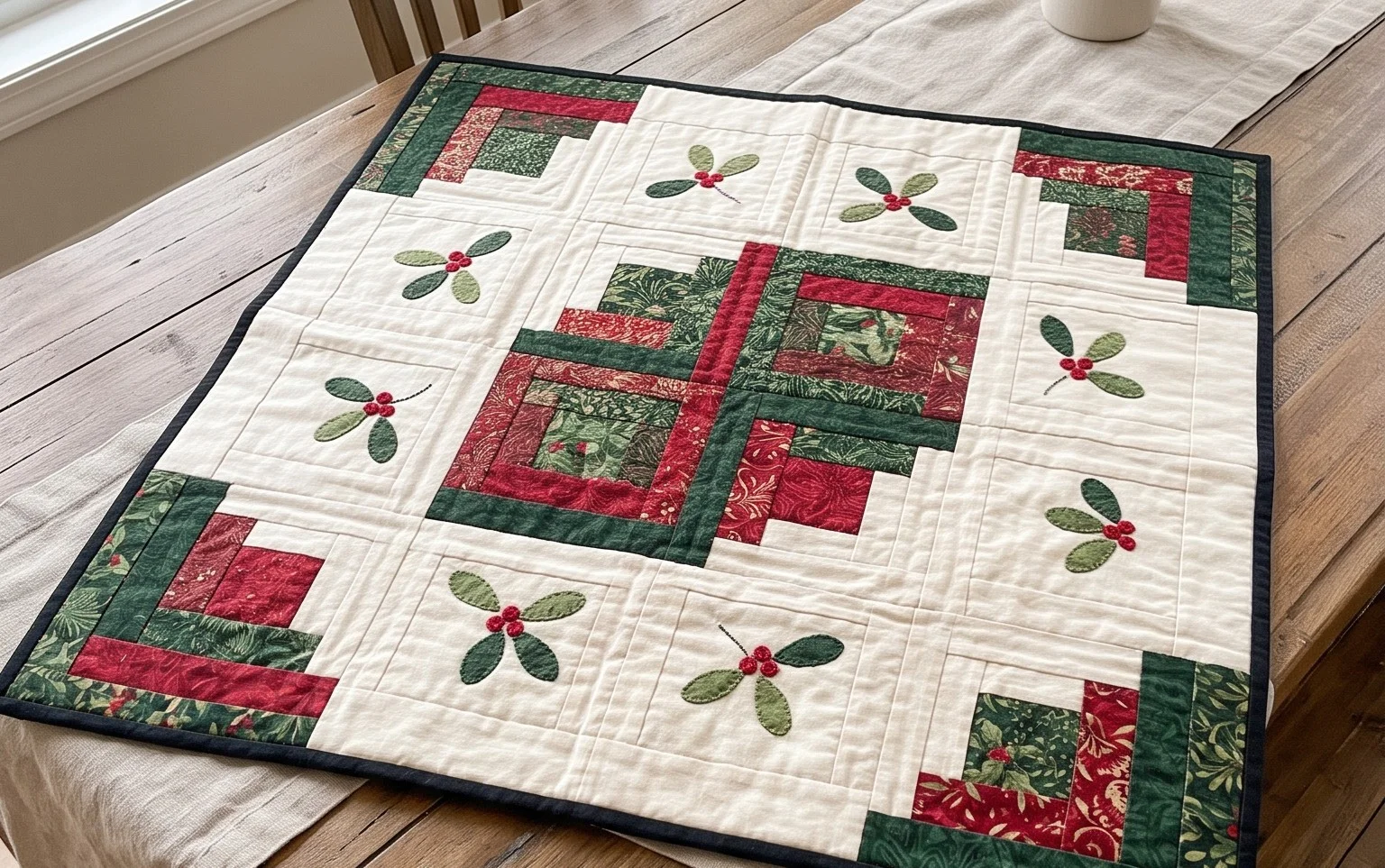
Worsted cotton gives this Christmas quilt-inspired crochet square a firm, textured feel, with a tidy surface that works well in a seasonal home display. The log cabin look brings to mind traditional patchwork, while simple single crochet keeps the stitching approachable for beginners. It suits anyone who enjoys making handmade decorations, and the compact block is also a thoughtful gift for a friend who loves cozy home details. You’ll learn how to keep the rows even and the edges square as you work, with clear stitch counting to help the fabric stay neat. Choose classic reds and greens, or use the colors already in your yarn basket. The steady rhythm makes this a satisfying project to work on during a quiet winter afternoon.
Why You’ll Love This Pattern
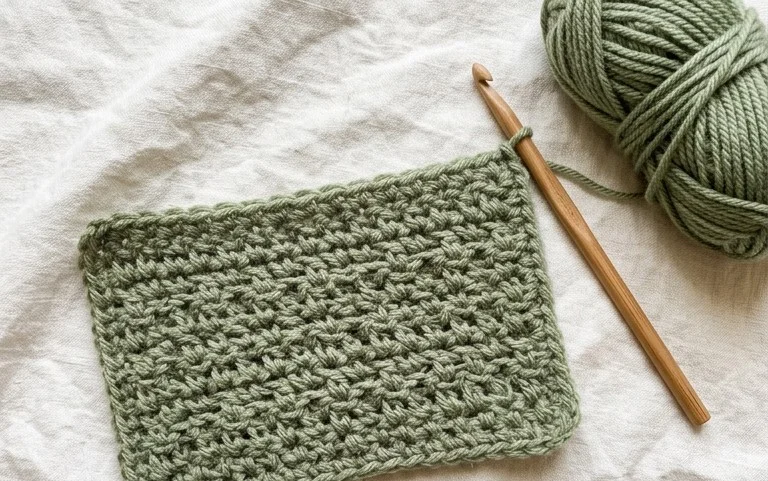
A firm cotton washcloth is useful at the kitchen sink or in the bath, and this simple square uses single crochet stitches from edge to edge. The plain fabric is easy to check as you work, so it is a good first project for practicing even tension and counting rows.
The pattern takes about two to three hours, depending on your pace, and one skein of worsted cotton is usually enough. Its compact size also makes it handy for using leftover cotton yarn, provided you have enough yardage to finish the square. There is no shaping or complicated assembly: crochet the rectangle, fasten off, and weave in the ends.
The stitch pattern was easy to follow, and I had a useful cotton cloth by the end of the afternoon.
— Mara, sample maker note
Pattern Overview & Skill Level
- Skill Level: Beginner. You need to chain, single crochet, turn, and count stitches.
- Approximate Time: Two to three hours, including weaving in the ends.
- Construction: A flat square worked back and forth in rows. The turning chain does not count as a stitch.
- Finished Dimensions & Sizing: Approximately 7.5 by 7.5 inches (19 by 19 cm) when the gauge is met. Small differences in tension can change the finished measurements.
Materials & Supplies Needed
- Yarn: About 90 yards of worsted-weight cotton yarn, also called medium weight or #4. Choose one color, or use two colors if you are comfortable joining a new strand at the edge.
- Hook Size: 5.0 mm / H-8 crochet hook. Use the hook that gives you the stated gauge; cotton can feel firm, so avoid pulling the yarn tightly.
- Notions: Tapestry needle for the yarn tails, scissors, and a ruler or measuring tape. A row counter is optional.
- Substitutions: Another smooth, absorbent cotton yarn in a similar weight is the closest substitute. Cotton blends may feel softer or stretchier. A thicker yarn or larger hook makes a larger, looser cloth and uses more yarn; a thinner yarn or smaller hook makes a smaller, denser cloth.
Gauge: 16 single crochet stitches and 16 rows measure 4 inches (10 cm) in the fabric, after lightly smoothing it flat. Check gauge before starting if you want the finished cloth close to 7.5 inches square. Adjust the hook size if your sample is wider or narrower than 4 inches.
Stitch Guide & Abbreviations (US Terms)
- ch: Chain.
- sc: Single crochet. Insert the hook into the stitch, yarn over and draw up a loop, yarn over again, then pull through both loops.
- st: Stitch.
- sts: Stitches.
Each row has 30 single crochet stitches. The chain made at the beginning of a row is a turning chain only and does not count as a stitch. Work the first single crochet into the first stitch of the previous row.
Step-by-Step Pattern Instructions
Washcloth
Use the 5.0 mm / H-8 hook and worsted-weight cotton yarn. Keep your turning chains loose enough to turn easily, but do not count them in the row totals.
Foundation: Ch 31. The chain length gives you 30 working stitches plus one turning chain.
Row 1: Sc in the second ch from the hook and in each ch across. Turn. (30 sts)
Row 2: Ch 1, sc in each st across. Turn. (30 sts)
Rows 3–30: Repeat Row 2, working one sc in every stitch across and turning at the end of each row. Each row has (30 sts).
After Row 30, measure the cloth. It should be close to 7.5 inches long if your row gauge is 16 rows per 4 inches. If it is noticeably shorter or longer, the cloth will still work; use the measurement as a guide rather than stretching the cotton to force it into shape.
Finishing
Fasten off, leaving a tail of about 6 inches. Pull the tail through the final loop to secure it. Thread the tail onto a tapestry needle and weave it through several stitches on the wrong side, changing direction once so it is less likely to work loose. Weave in the foundation tail the same way. Trim the ends close to the fabric without cutting into the stitches. Smooth the square flat and check that the edges are not curling.
Care & Washing Instructions
- Wash cotton in cool or warm water, up to about 40°C (104°F), with similar colors; check the yarn label if it gives different directions.
- Air-dry the cloth flat or tumble-dry on low heat if the yarn label allows it.
- While damp, reshape the corners and edges by hand; cotton usually needs little or no formal blocking.
Pro Tips & Common Mistakes to Avoid
- Keep a relaxed, steady tension. If the foundation chain is much tighter than the rows, the bottom edge can pull in; remake it with a larger hook if needed.
- Count the 30 stitches at the end of every row. Missing the first or last stitch is a common reason a beginner’s square becomes narrower as it grows.
- Weave yarn tails through the wrong side of the fabric in more than one direction. A short tail tucked through only one row can loosen with repeated washing.
- To change the size, add or remove foundation chains while keeping one fewer working stitch than chains, then work more or fewer rows to make the length match. A wider or longer cloth uses more yarn, so have extra cotton on hand.
Frequently Asked Questions
Can I use acrylic yarn for this washcloth?
You can, but acrylic is generally less absorbent than cotton and may not feel as suitable for wiping dishes or washing. If you try it, make a small swatch first because the fabric may stretch or feel warmer against the skin.
How can I make the washcloth larger or smaller?
For a wider cloth, add chains to the foundation and work one fewer single crochet than the number of chains. For more or less length, work more or fewer rows. Keep the proportions close to square if that is the shape you want, and allow extra yarn for a larger piece.
Is this pattern suitable for a first crochet project?
Yes. It uses only chains and single crochet stitches, with no increases, decreases, or seaming. Practice the single crochet stitch on a short swatch first if you find it difficult to see where each stitch begins.
May I sell washcloths made from this pattern?
Check the designer’s terms before selling finished items, and follow any credit or attribution requirements. If you are using this guide without separate terms, do not assume that permission to make the item also grants permission to reproduce or sell the written pattern.
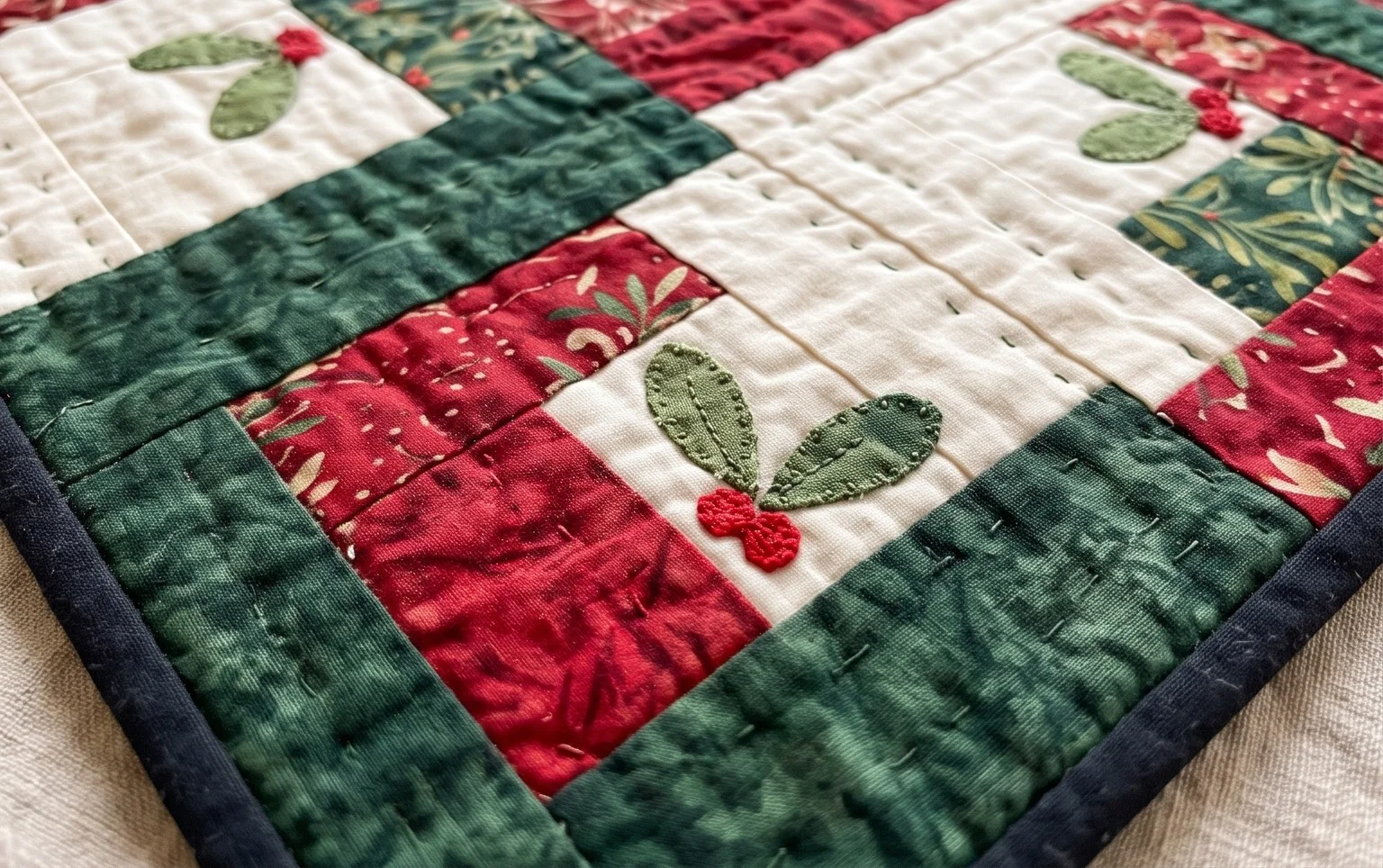
Your finished Christmas crochet block has a firm cotton texture and a handmade patchwork look that brings a little seasonal warmth to a shelf, table, or quilt-inspired display. For a simple variation, switch to two colors, using a darker shade for the center and a lighter one around the outside. You can also make a larger square by adding rows, checking the width as you go so the edges stay even. Share a photo of your finished piece on Pinterest or your favorite social media account; it’s always nice to see the colors other makers choose. When you’re ready for another project, browse the blog for more free crochet patterns and practical ideas for using your yarn stash.