Easy Christmas Cat Hat Crochet Patterns for Beginners
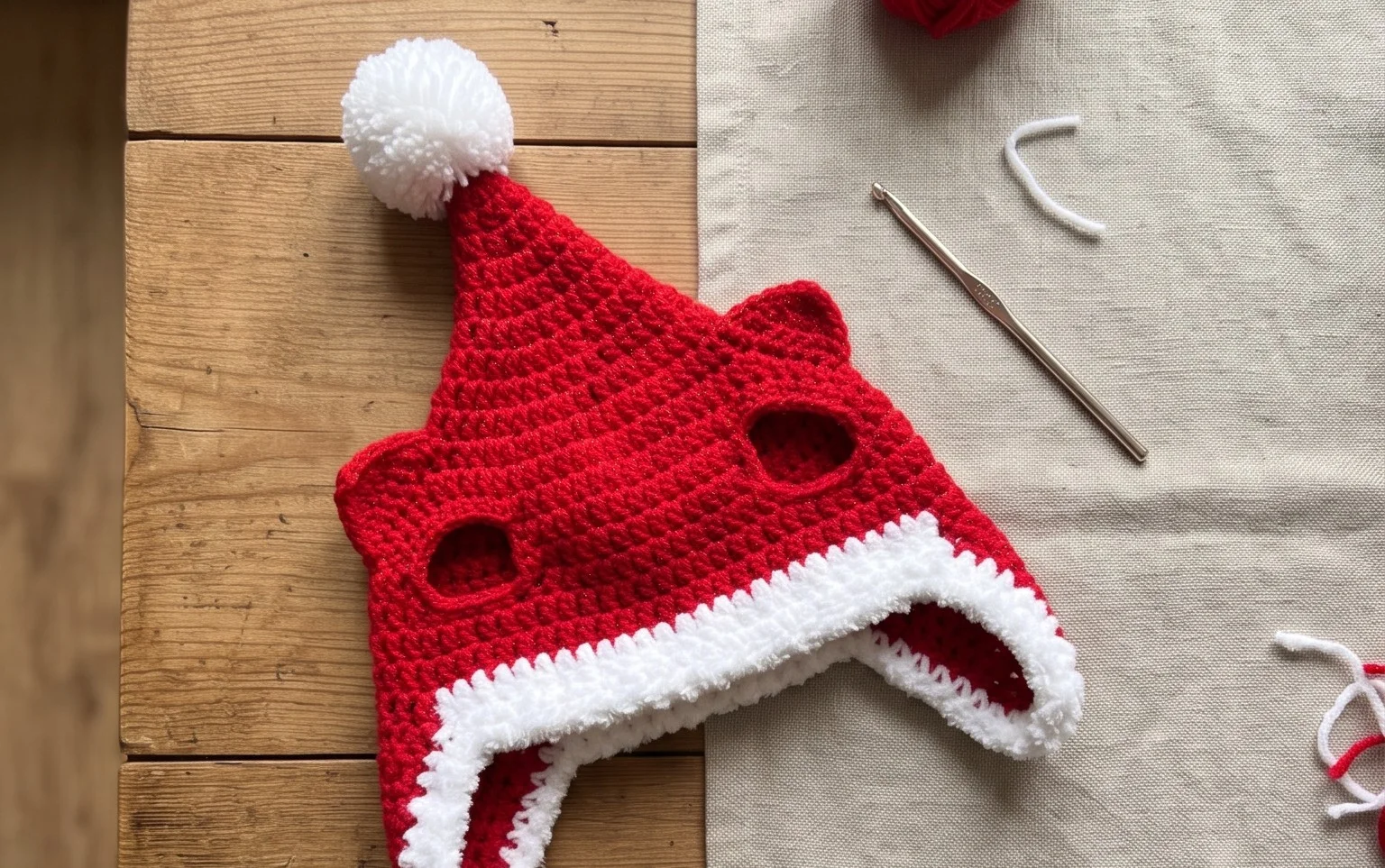
Soft yarn and a few festive color changes turn a small crochet cat hat into a cheerful holiday accessory. The finished piece brings a handmade touch to seasonal photos, gift giving, or a cozy display beside the tree. Beginners can take it one stitch at a time, while experienced makers can enjoy a quick project that uses familiar techniques and a modest amount of yarn. It also makes a thoughtful gift for a cat-loving friend who enjoys handmade holiday details. In this article, you’ll learn how simple crochet stitches, careful shaping, and neat finishing work together to create a hat with a tidy fit and a soft texture. The pattern ideas suit different tastes, from classic Christmas colors to quieter winter shades. If the hat is intended for a pet, check the fit and supervise wear so it stays comfortable and safe.
Why You’ll Love This Pattern
A firm cotton dishcloth with a simple single crochet fabric is useful at the sink and straightforward to make from one ball of yarn. This beginner pattern uses the same stitch across every row, so you can focus on even tension rather than tracking a complicated repeat. Its small size makes it a practical project for an evening, and the finished cloth is easy to wash and reuse.
The plain texture works well with solid or lightly shaded cotton yarn. You can also use leftover cotton, as long as you have enough for a cloth about 8 inches square. The sample maker note below is illustrative rather than a verified customer testimonial.
Sample review: I finished this cloth in one evening. The rows were easy to count, and the cotton feels sturdy enough for everyday washing.
— Maya, sample tester
Pattern Overview & Skill Level
- Skill Level: Beginner. You need to chain and make single crochet stitches.
- Approximate Time: 2 to 3 hours, depending on your pace and tension.
- Construction: Work a flat rectangle in rows from the foundation chain. Turn at the end of each row; there is no seam or border.
- Finished Dimensions & Sizing: About 8 by 8 inches when blocked to the stated gauge. Small differences in tension may change the final size slightly.
US crochet terms are used throughout. The pattern is written for a cotton dishcloth, not a face cloth for delicate skin; cotton texture and yarn finishes vary.
Materials & Supplies Needed
- Yarn: About 85 yards of worsted weight cotton yarn, #4, in one color. Choose 100% cotton for absorbency and heat tolerance. A small amount of a second color is optional, but the pattern does not require color changes.
- Hook Size: 5.0 mm, US H-8. Use the hook that gives you the gauge below; your label recommendation is a starting point.
- Notions: Tapestry needle for securing the two yarn tails, scissors, and a ruler or tape measure. A removable stitch marker can help identify the first stitch of each row.
- Gauge: 16 single crochet stitches and 16 rows measure 4 inches square after washing and drying flat. Make a small swatch and adjust hook size if needed.
- Substitutions: A similarly sized cotton or cotton blend can work, but check its care label. A thinner yarn makes a smaller, lighter cloth and may need a smaller hook; a thicker yarn makes a larger, heavier cloth and uses more yardage. Acrylic is less absorbent and may not suit hot cookware.
Stitch Guide & Abbreviations (US Terms)
- ch: Chain.
- sc: Single crochet. Insert the hook into the indicated stitch, yarn over and pull up a loop, yarn over again and pull through both loops on the hook.
- st / sts: Stitch / stitches.
- turn: Rotate the work so you can crochet back across the row.
The turning chain does not count as a stitch in this pattern. Make the first single crochet in the first stitch at the base of the turning chain. This keeps the side edges straight.
Step-by-Step Pattern Instructions
Dishcloth
- Foundation: Chain 33. The first 32 chains form the width of the cloth; the last chain is the turning chain for Row 1. (33 ch)
- Row 1: Sc in the second chain from the hook and in each chain across. Turn. (32 sts)
- Row 2: Ch 1, sc in each stitch across. Turn. (32 sts)
- Rows 3–32: Repeat Row 2. Each row has 32 single crochet stitches; turn after every row. (32 sts per row)
Measure the piece when it lies flat. It should be close to 8 inches wide and 8 inches tall at the stated gauge. If your rectangle is noticeably narrower or wider, check that you have 32 stitches in each row and compare your gauge with the pattern before finishing.
Finishing
Fasten off after Row 32, leaving a tail long enough to weave in. Pull the yarn through the last loop to secure it. Thread the tail onto a tapestry needle and weave it through several stitches on the wrong side, changing direction once so it is less likely to work loose. Repeat for the foundation tail. Wash and dry the cloth according to the yarn label, then lay it flat and gently square the corners.
Care & Washing Instructions
- Wash cotton in a machine on a gentle or regular cycle with cool to warm water, up to 40°C, unless the yarn label gives different directions.
- Dry flat to help the cloth keep its shape; avoid high heat if the yarn label warns against it.
- Reshape the damp cloth by straightening its edges and corners, then let it dry flat without stretching the stitches.
Pro Tips & Common Mistakes to Avoid
- Keep your tension steady but not tight. If the chain edge is much tighter than the rows, use a slightly larger hook for the foundation chain or make each chain deliberately loose.
- Count the stitches at the end of every row. Place a marker in the first stitch if you tend to miss the last stitch at the far edge; each row must have 32 stitches.
- Weave each tail through the back of several stitches, then change direction. Do not pull the tail so tightly that the edge puckers.
- To make a larger cloth, begin with more chains and add rows to match the new height. Every extra stitch or row increases yarn use; check the piece against your desired measurements as you work. For a smaller cloth, use fewer chains and fewer rows, keeping the number of stitches the same in every row.
Frequently Asked Questions
Can I use a different yarn fiber?
Yes, but cotton is the most practical choice for an absorbent dishcloth. A cotton blend can change the drape and care needs. Acrylic is less absorbent and may not be suitable for handling hot dishes, so check the yarn label before using the cloth near heat.
How do I change the finished size?
Add or remove foundation chains to change the width, then work more or fewer rows to change the height. Keep 32 stitches for the written size, or choose a new stitch count and maintain it consistently across every row. A larger cloth uses more yarn.
Is this pattern suitable for a first crochet project?
Yes. It uses chain and single crochet only, with no shaping or joining. The main challenge is keeping both edges even, so count 32 stitches at the end of each row and make sure the turning chain is not accidentally counted as a stitch.
May I sell dishcloths made from this pattern?
Check the designer’s terms before selling finished items, and follow any instructions about credit or product listings. If you sell the cloth, describe its fiber content accurately and include the yarn’s care guidance.
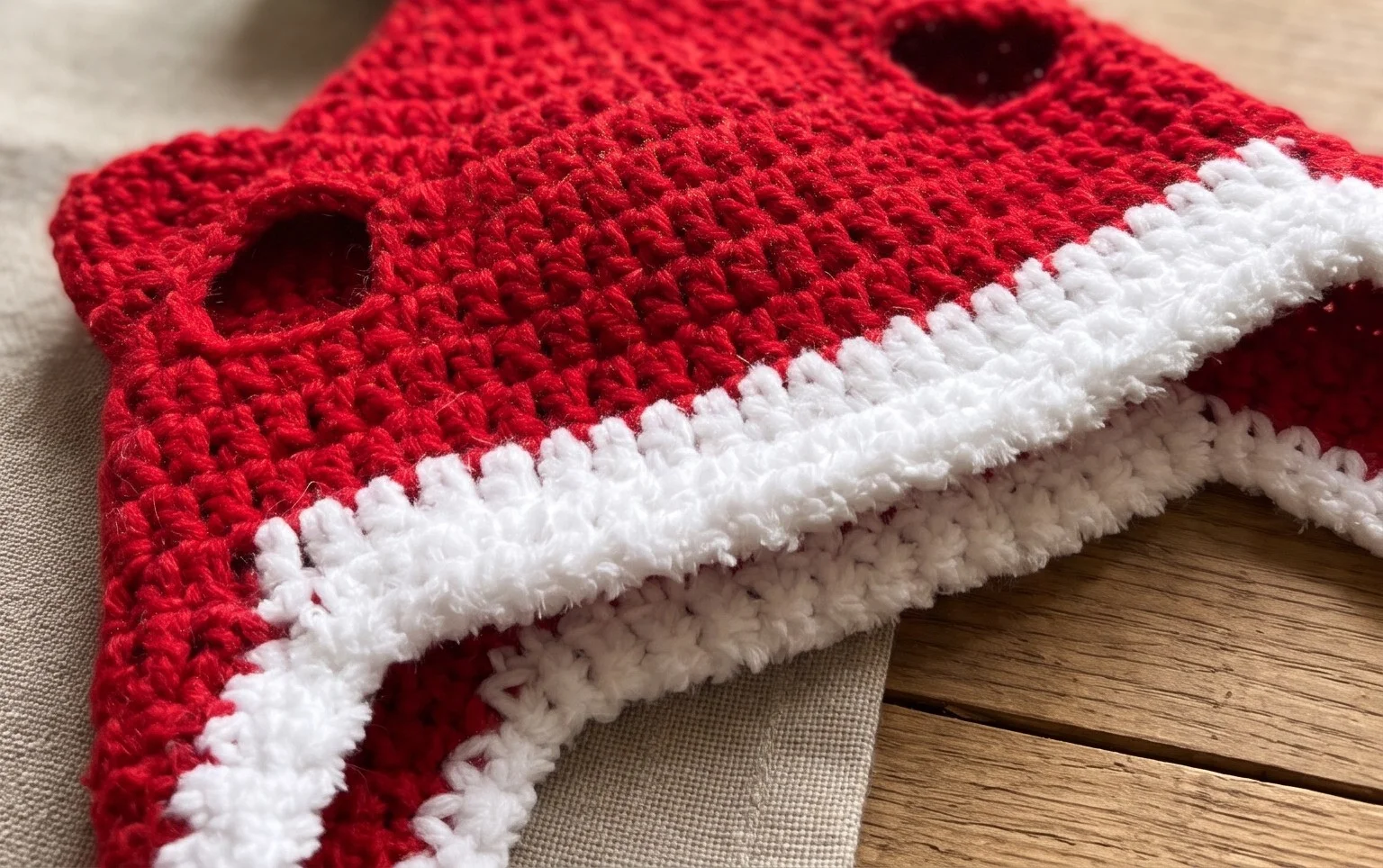
A finished crochet cat hat adds a handmade note to holiday photos, a gift for a cat-loving friend, or a small seasonal display. Take a moment to check the fit and weave in every yarn end neatly, especially if a pet will wear it for a supervised photo. For a simple variation, swap the traditional red and green for icy blue and white while keeping the same stitch pattern. Once your hat is finished, share a photo on Pinterest or your favorite social media platform so other makers can see your color choices. Then browse the blog for more free crochet patterns, including small projects that are easy to fit into a winter evening.