Easy Crochet Feather Stitch Dishcloth: Step-by-Step Guide
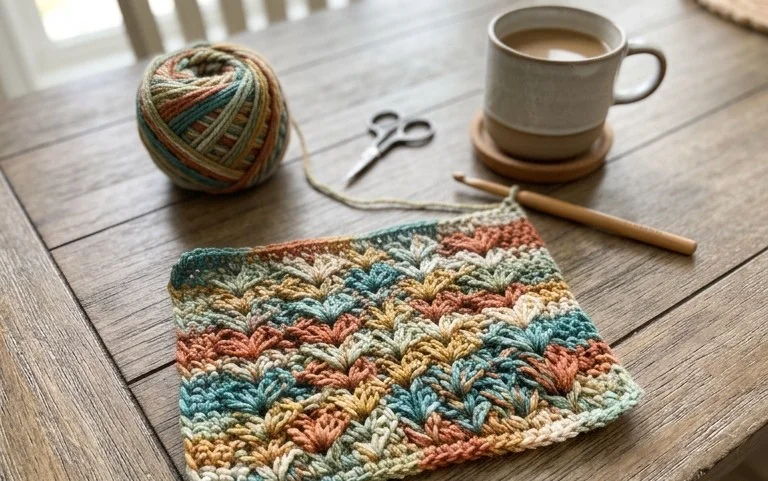
This thermal stitch dishcloth feels incredibly dense and substantial in your hand, almost like a piece of heavy upholstery fabric. It is a sturdy tool for scrubbing cast iron skillets or wiping down granite counters. Beginners often appreciate how the consistent rhythm of the back loop construction builds confidence while producing a functional, long-lasting item for the kitchen. You will learn the precise mechanics of maintaining even tension throughout your rows, which keeps the square edges sharp and straight. It is a quiet, meditative process that turns a simple ball of cotton yarn into a reliable utility item for your daily home cleaning routine.
Why You’ll Love This Pattern
This classic crochet dishcloth is built on a sturdy foundation of the thermal stitch, creating a thick, double-layered fabric that mimics the density of a potholder. The construction method involves working in back loops only across repeating rows, which naturally pulls the fabric into a tight, ridge-heavy texture ideal for scrubbing surfaces. Because the pattern relies on a simple stitch repeat, you can easily set it down and pick it back up without losing your place. This project is a perfect entry point for learning how to achieve uniform tension across dense, functional home goods, and it uses less than one standard skein of cotton yarn.
I managed to finish three of these over a single weekend while watching television. The texture is much thicker than my usual chain-based washcloths and cleans my cast iron pans with ease.
— Sarah, home crafter
Pattern Overview & Skill Level
- Skill Level: Beginner
- Approximate Time: 1 to 2 hours
- Construction: Flat panel worked in rows
- Finished Dimensions: 8 inches by 8 inches
Materials & Supplies Needed
- Yarn: Worsted weight (#4) 100% cotton yarn, approximately 75 yards. Cotton is required for its high absorbency and heat resistance.
- Hook Size: 5.0 mm (H-8) crochet hook.
- Notions: Tapestry needle for weaving ends and scissors.
- Yarn Substitutions: You may use a cotton-acrylic blend if desired, though pure cotton remains the most durable for moisture-heavy tasks. A lighter #3 weight yarn will result in a smaller finished size unless you increase the starting chain count.
Stitch Guide & Abbreviations (US Terms)
- ch = chain
- st/sts = stitch/stitches
- sc = single crochet: Insert hook, yarn over, pull up a loop, yarn over, pull through both loops on hook.
- BLO = back loop only: Insert the hook into the loop furthest away from you.
- Turn = turn your work to begin the next row.
Step-by-Step Pattern Instructions
Main Dishcloth Body
The dishcloth is worked in a flat square, turning at the end of every row.
- Row 1: Ch 31. Sc in the second ch from hook and in each ch across. (30 sts)
- Row 2: Ch 1, turn. Sc in the BLO of each st across. (30 sts)
- Rows 3-40: Repeat Row 2 until the piece reaches approximately 8 inches in length. (30 sts)
- Finishing: Fasten off, leaving a 6-inch tail. Use a tapestry needle to weave the yarn tail back into the edge of the fabric to secure it.
Care & Washing Instructions
- Machine wash your dishcloth in warm water using a standard laundry cycle.
- Tumble dry on a low setting or lay the cloth flat on a clean towel to air dry.
- Avoid using fabric softener, as this leaves a waxy coating on cotton fibers that reduces their natural absorbency.
Pro Tips & Common Mistakes to Avoid
Consistent tension is vital for functional items like dishcloths. If your stitches feel too loose, the cloth will lose its structural integrity after the first wash, so try dropping one hook size if your gauge seems overly airy. Always place a removable stitch marker in the first stitch of every row to ensure you do not accidentally skip stitches at the edges, which would lead to a trapezoid shape rather than a perfect square. When weaving in your ends, run the needle through the base of the stitches in two different directions to prevent the yarn from pulling out during aggressive scrubbing. To adjust the size, simply increase the starting chain in multiples of 2, but note that this will require additional yardage to complete the project.
Frequently Asked Questions
Can I use a larger hook for this pattern?
Using a larger hook will make the fabric less dense and more prone to stretching out of shape. For a durable dishcloth, stick to the 5.0 mm size or smaller to keep the stitches tight.
Is it okay to use synthetic yarn for this?
Avoid synthetic fibers like acrylic or polyester for kitchen items. These fibers can melt when exposed to high heat from hot pans and are not absorbent enough for effective cleaning.
How do I make the dishcloth larger?
To increase the dimensions, add chains to your initial foundation row in multiples of two. Keep in mind that a larger cloth will require more than the recommended 75 yards of yarn.
Am I allowed to sell the finished items?
You are welcome to sell finished products made from this pattern, provided you credit the design. Please do not redistribute the pattern text itself or use my photography for your product listings.
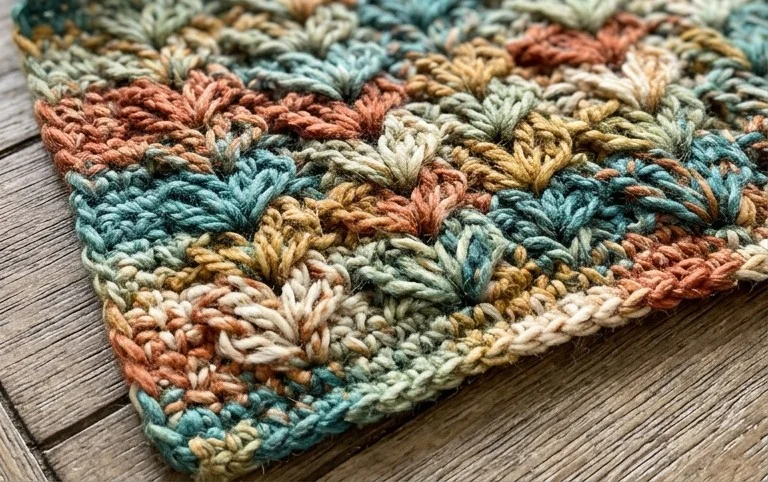
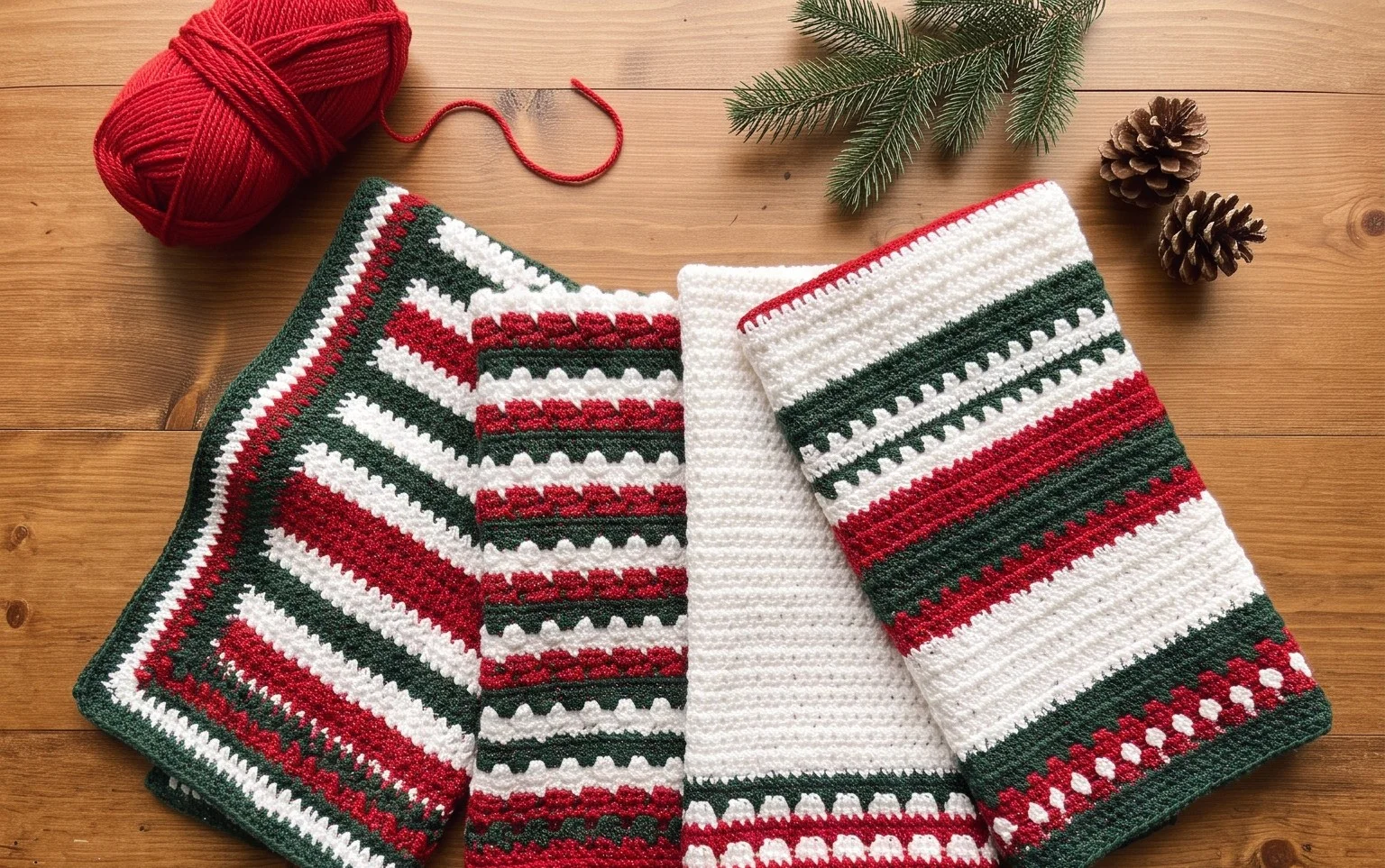
Your finished dishcloth will stand up to months of heavy scrubbing in your kitchen sink. You can experiment with different color combinations by switching yarns every four rows to create a striped effect that brightens your workspace. If you decide to make a set of these for a housewarming gift, try wrapping them with a piece of twine and a sprig of dried rosemary. Please share a photo of your work on Instagram so I can see how your tension turned out. You can find more free patterns for other home goods on the main blog page.